Teeth cleaning is a dental procedure for cleaning the teeth to remove the plaque, tartar, and other dirt from the teeth. Though most people are brushing their teeth at least once a day, they often do not use the right technique for brushing their teeth. In other cases, due to the tooth structure, some food particles cannot be easily removed by brushing. Some individuals have tartar and plaque on their teeth which could lead to loss of teeth and this is also removed by cleaning. In some cases, stains on the teeth are removed, and the teeth polished to make them whiter.
Usually, the dentist will do the teeth cleaning, though in some cases, a trained dental technician may also do the cleaning. The amount of time taken for the cleaning will vary depending on the condition of the teeth. For individuals who have clean teeth, the cleaning can be completed within thirty minutes while for others it may take a few hours. The dentist will first physically examine the teeth to assess the condition whether there is tartar or plaque, stains on the teeth, the teeth that are affected and require more cleaning.
Then using suitable dental tools the dentist will clean the teeth, removing the plaque, tartar, and other food particles in the mouth. It is often difficult for a person to remove the food which may stick in some corners of the mouth by brushing, and the dentist can remove these food particles. In case there are any stains on the teeth they will also be removed.
Often tooth whitening and polishing are also included in dental cleaning. In most cases, the patient can resume eating immediately after the dental cleaning is complete, though the teeth may be sensitive in some cases.
Benefits
Plaque and tartar can cause loss of teeth if not treated, so regular dental cleaning can prevent this problem. Additionally cleaning the accumulated dirt and debris in the mouth, will help the dentist have a better look at the teeth, to detect if there is any dental decay and take corrective action. If the food particles are not removed from the mouth, the bacteria could cause tooth decay. Removing the stains from teeth and polishing them to make them look whiter, will improve the appearance of the person and make him more confident, boost his self-esteem.
Who should clean their teeth?
It is recommended that every person should clean their teeth once every six months, or at least once a year. The teeth cleaning can be combined with a regular dental checkup. If a person is experiencing dental pain, the dentist will often recommend that the teeth are cleaned first, so that it is possible to inspect the teeth properly to identify which teeth are causing the pain. While tooth decay is the usual cause of dental pain, in some cases, the tooth may be fractured or have some other problem that is causing the tooth pain. Removing any debris or plaque on the tooth can help in accurately identifying the cause of the dental problem.
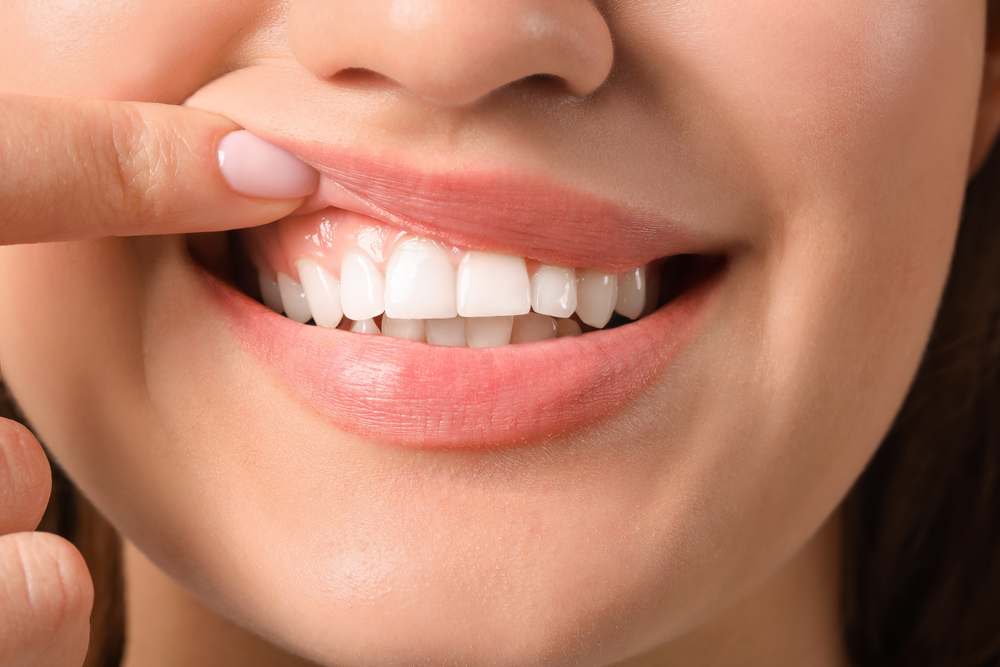
 This implant is a way through which you will be able to get a new tooth. For this, the area where the implant has to be done is properly cleaned so that the entire procedure is done effectively. The entire procedure is done by the dentist after examining the condition of the person who wishes to go for it. After the dental implant is completed the look of the face changes and the face looks good. The implant is fixed in such a manner that it is hard to figure the difference between the actual tooth and the implant.